Residential Water Treatment in Charlotte, NC
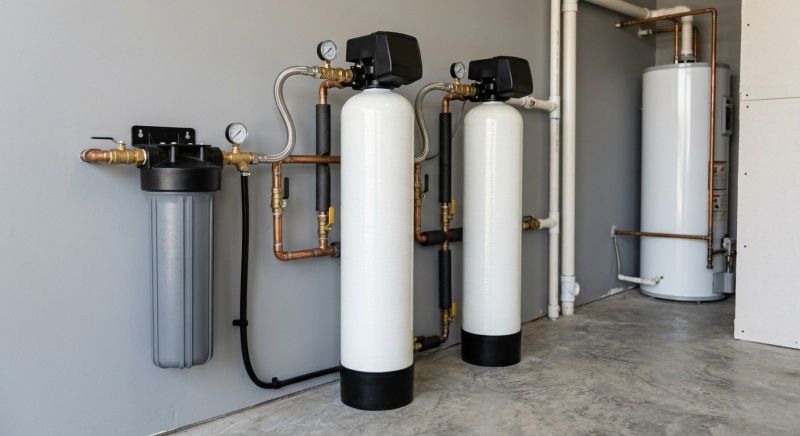
Residential water treatment services involve installing systems designed to improve the quality of water supplied to a home. These projects typically include water softening to reduce mineral buildup, filtration to remove contaminants like sediments and chlorine, and purification systems for removing bacteria, viruses, or other impurities. Homeowners often seek these services to ensure their drinking water is safe, to protect plumbing from scale and buildup, or to improve the taste and clarity of water throughout the property.
Before requesting water treatment services, property owners usually want to understand the specific issues present in their water supply, such as hard water, odors, or visible sediments. It’s helpful to assess the existing water quality, identify any contaminants or mineral levels, and determine the most suitable treatment options for their household needs. Knowing the scope of the project, the types of systems available, and how they integrate with the existing plumbing can assist homeowners in making informed decisions about improving their water quality.
Many property owners in Charlotte, NC look into Residential Water Treatment for repairs, replacements, upgrades, and appearance-related improvements.
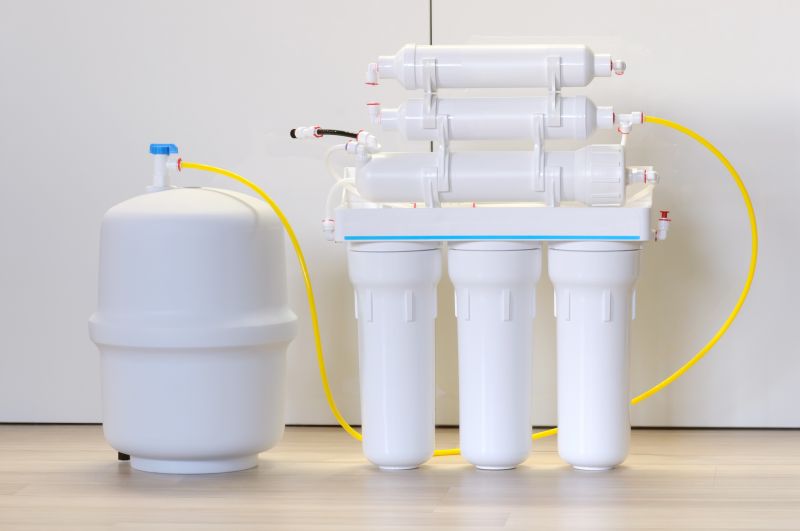
Water Quality Improvement
Residential water treatment systems enhance the taste, clarity, and safety of your household water.
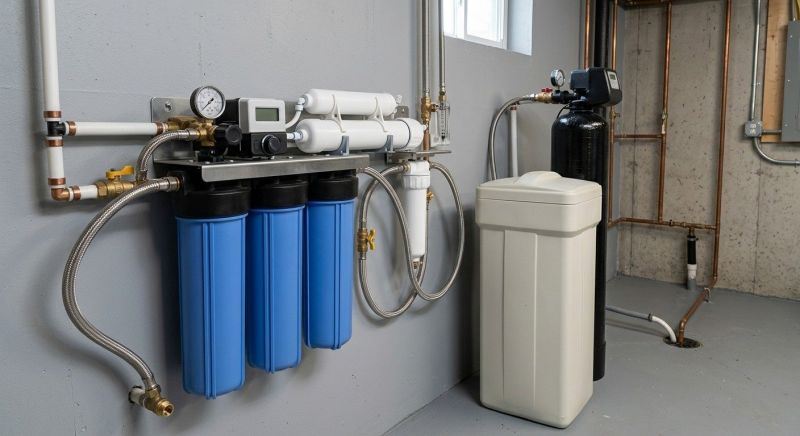
Health And Safety Benefits
Removing contaminants and impurities helps protect your family’s health and supports overall well-being.
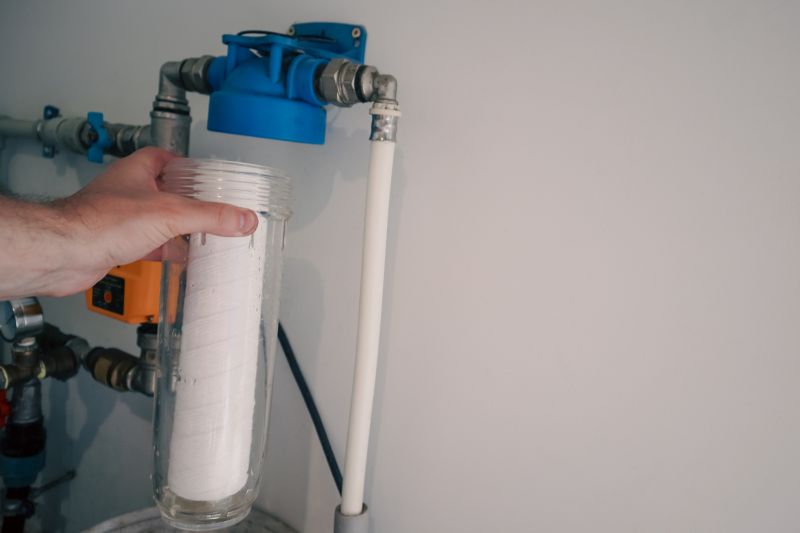
Customized Treatment Solutions
Systems can be tailored to address specific water issues common in homes around charlotte, nc.
Residential Water Treatment in Charlotte, NC

Residential water treatment services involve installing systems designed to improve the quality of water supplied to a home. These projects typically include water softening to reduce mineral buildup, filtration to remove contaminants like sediments and chlorine, and purification systems for removing bacteria, viruses, or other impurities. Homeowners often seek these services to ensure their drinking water is safe, to protect plumbing from scale and buildup, or to improve the taste and clarity of water throughout the property.
Before requesting water treatment services, property owners usually want to understand the specific issues present in their water supply, such as hard water, odors, or visible sediments. It’s helpful to assess the existing water quality, identify any contaminants or mineral levels, and determine the most suitable treatment options for their household needs. Knowing the scope of the project, the types of systems available, and how they integrate with the existing plumbing can assist homeowners in making informed decisions about improving their water quality.
Many property owners in Charlotte, NC look into Residential Water Treatment for repairs, replacements, upgrades, and appearance-related improvements.
Common Residential Water Treatment Jobs
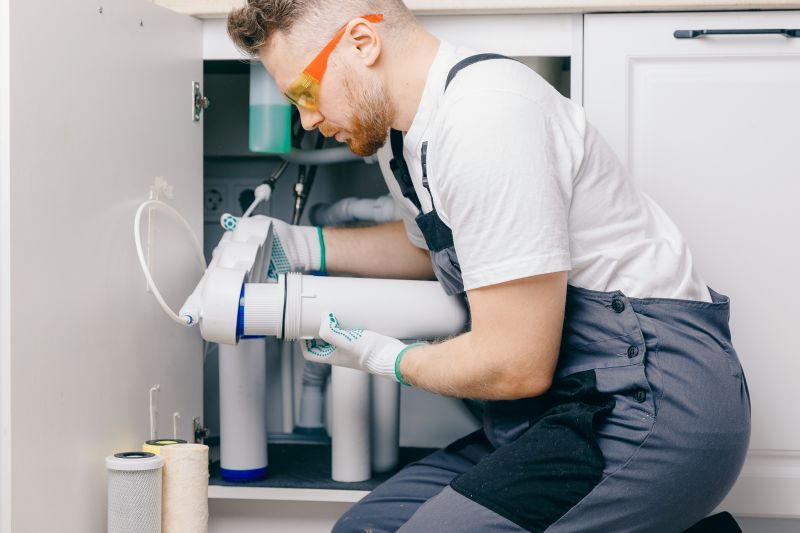
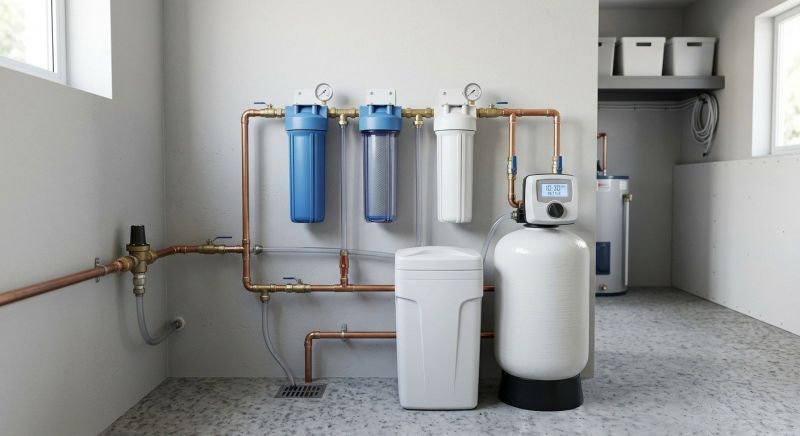
Water Filtration System Installation - installing systems that improve water quality for household use.
Water Softening Services - reducing mineral buildup to prevent scale and improve appliance performance.
Iron and Sediment Removal - eliminating contaminants that cause staining and affect water clarity.
UV Water Purification - disinfecting water to eliminate bacteria and viruses effectively.
Reverse Osmosis Systems - providing comprehensive filtration for drinking and cooking water.
Maintenance and System Upgrades - ensuring existing treatment systems operate efficiently and effectively.
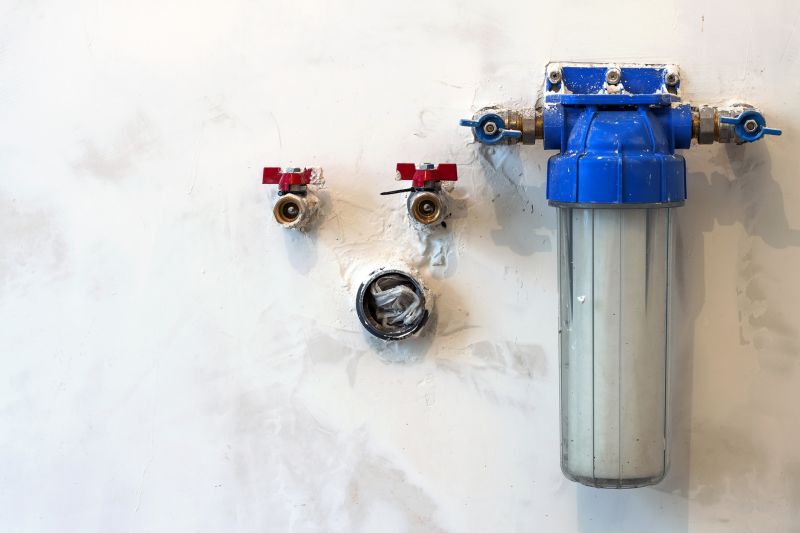
Residential Water Treatment Questions
What types of water treatment services are available for homes? Services include installation of water softeners, filtration systems, and specialty treatment units to improve water quality and clarity.
How can water treatment improve household water quality? It reduces common contaminants, such as chlorine, sediment, and minerals, resulting in cleaner, better-tasting water for daily use.
What signs indicate a need for water treatment in a home? Signs include hard water buildup, foul odors, discolored water, or increased soap usage and residue.
What is involved in the process of installing a water treatment system? Installation typically includes assessing water quality, selecting the appropriate system, and setting up the equipment for optimal performance.
Request Residential Water Treatment in Charlotte, NC
Use the quote form on this page to share the basics of your project and request more information for the type of work you need.